
Science
At Whiston Worrygoose, our learners are encouraged to be curious, ask questions, and investigate the world around them. Our science curriculum inspires children to explore, experiment, and develop the skills needed to understand the natural and technological world.
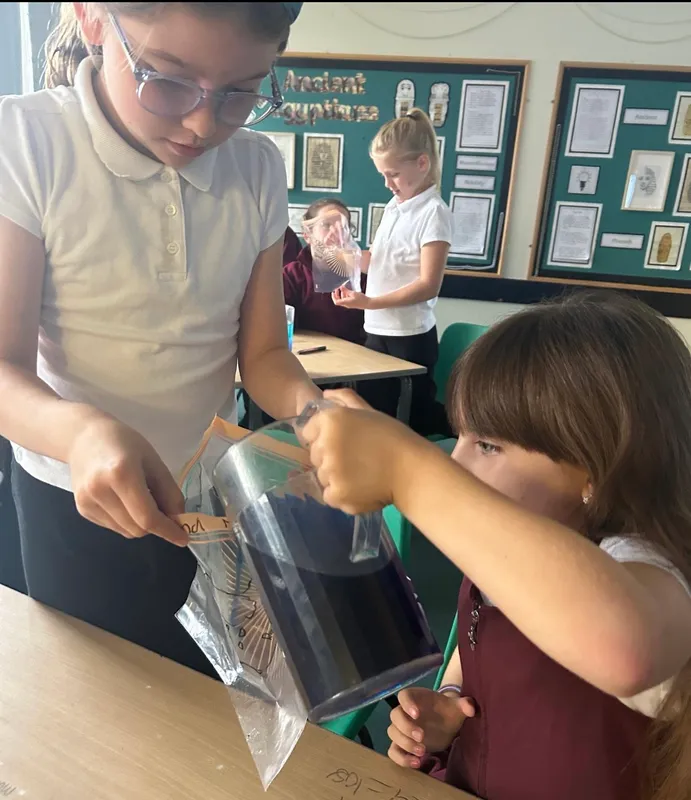
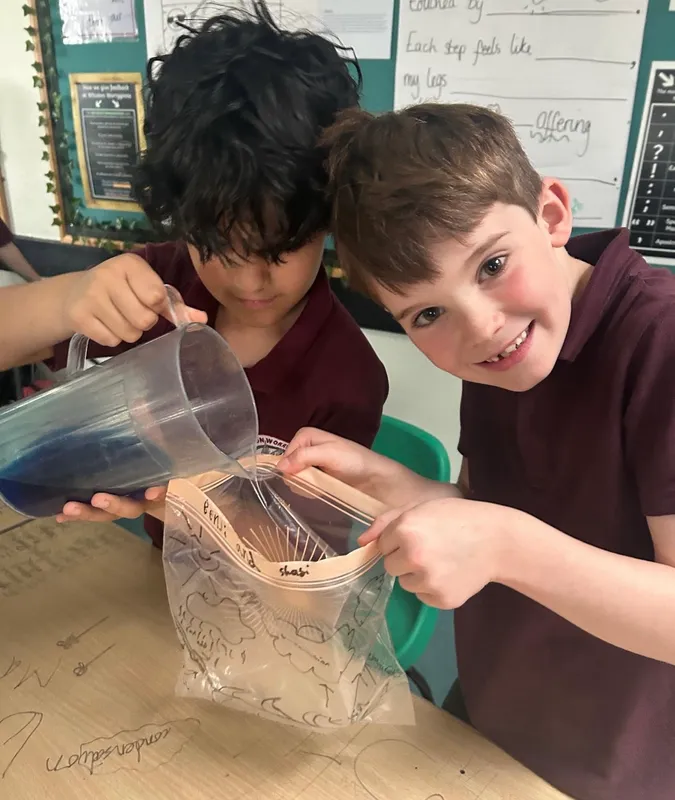
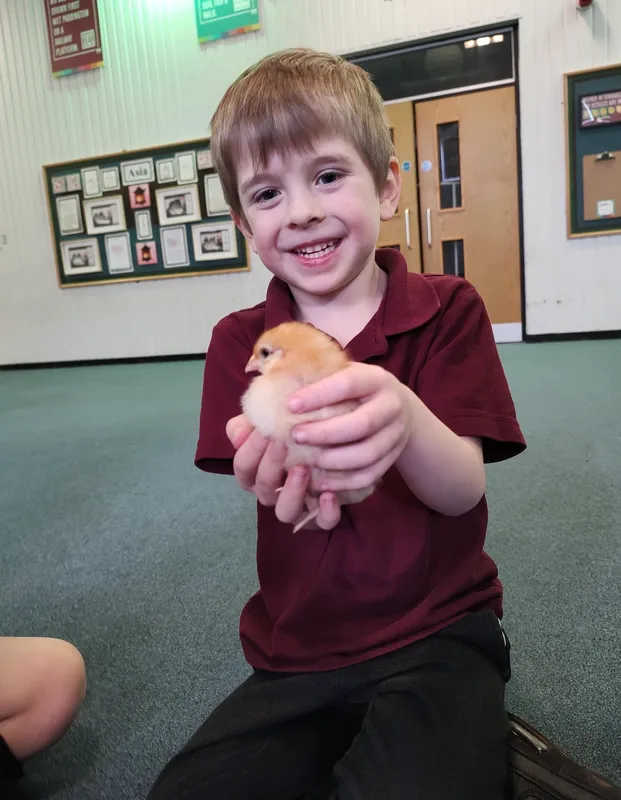
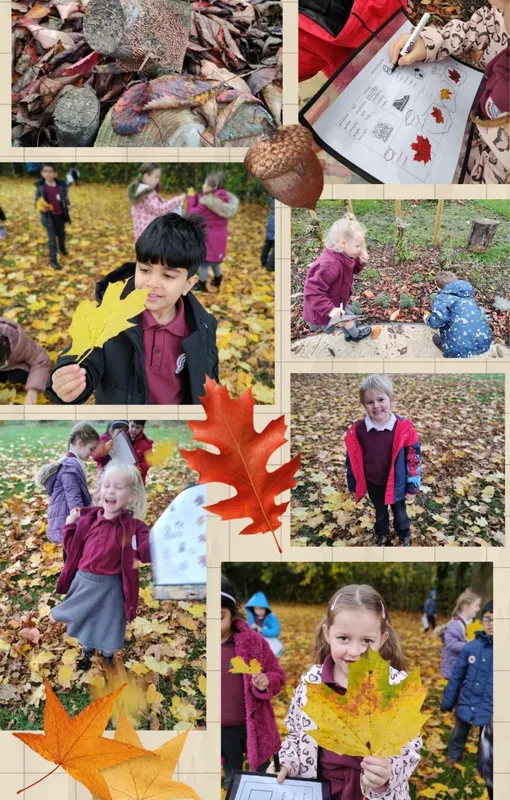
We want science to be engaging, hands-on, and meaningful to children’s everyday experiences. By building on each child’s personal curiosity, we develop knowledge in biology, chemistry, physics, and working scientifically skills, starting with their immediate surroundings before expanding to local, national, and global contexts. Learning is enriched through practical experiments, educational visits, expert visitors, and opportunities for discovery both in and outside the classroom.
Please take a look at some of our Geography content...

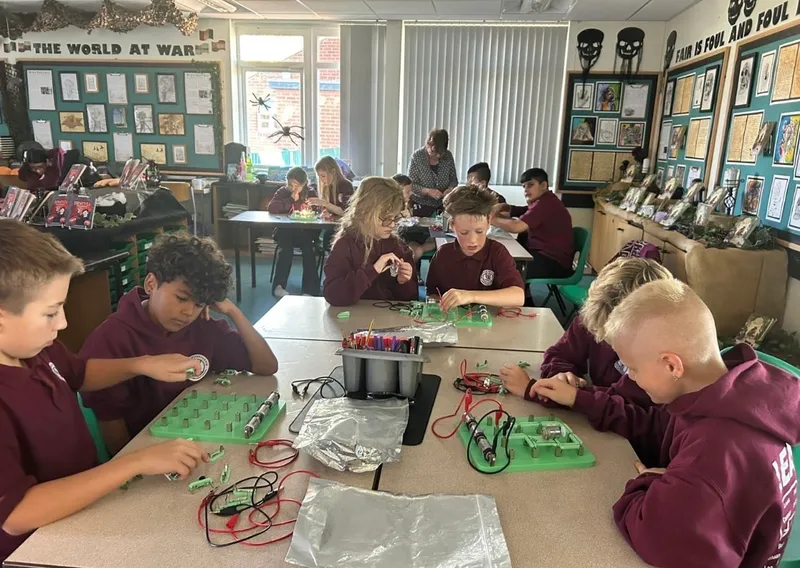
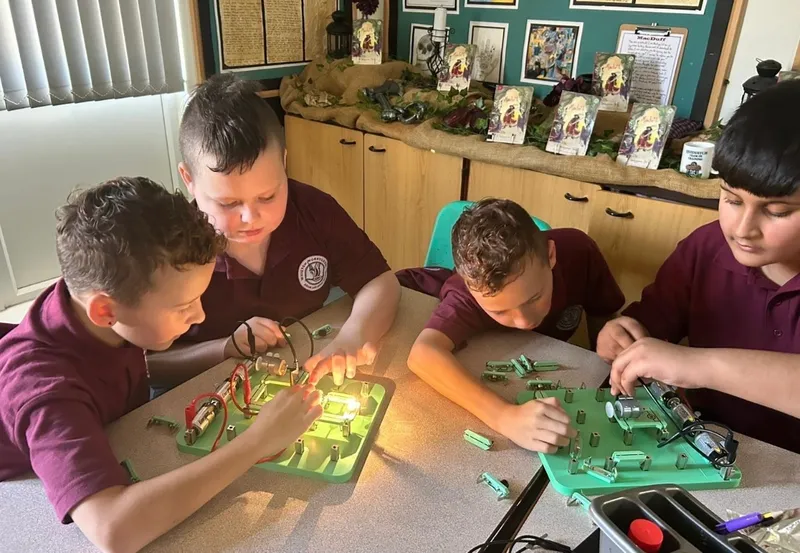
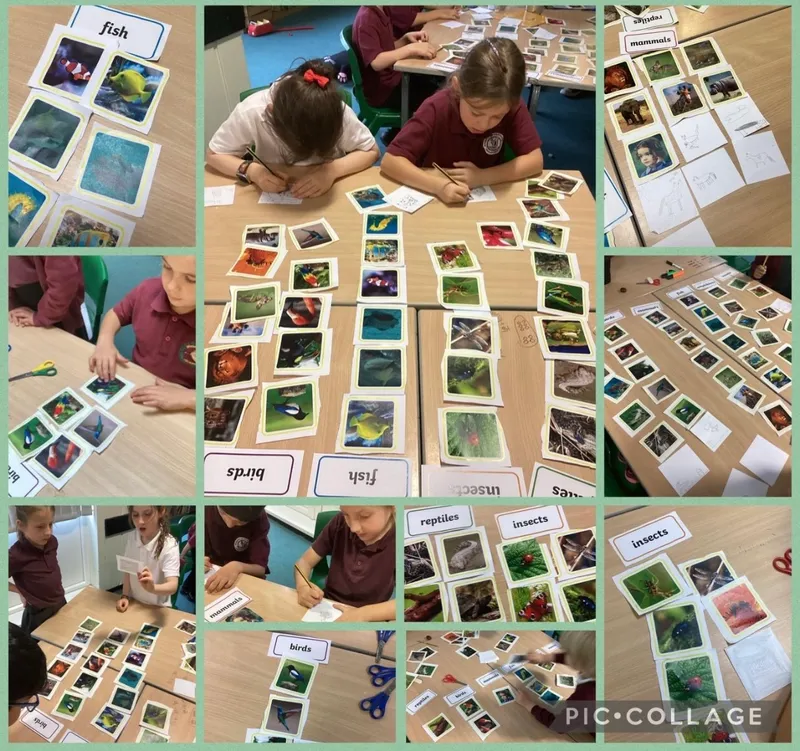
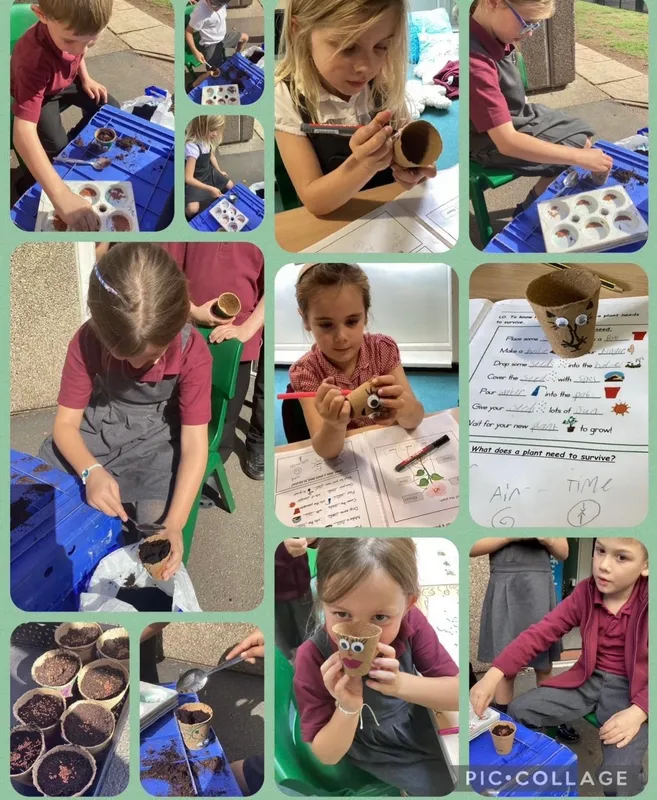
INTENT
Science at Whiston Worrygoose aims to foster a lifelong curiosity and a love of learning about the world around us. Using the National Curriculum as a framework, we ensure pupils acquire a solid foundation of knowledge in scientific concepts and develop practical skills in investigation and problem-solving. Pupils learn to understand how the world works, how humans interact with it, and the importance of scientific thinking in everyday life.
IMPLEMENTATION
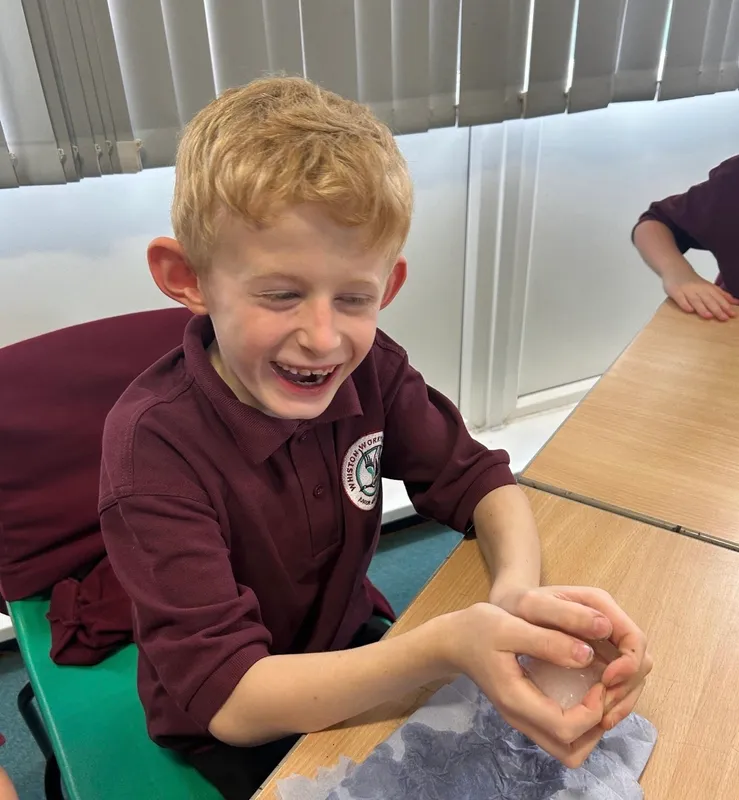
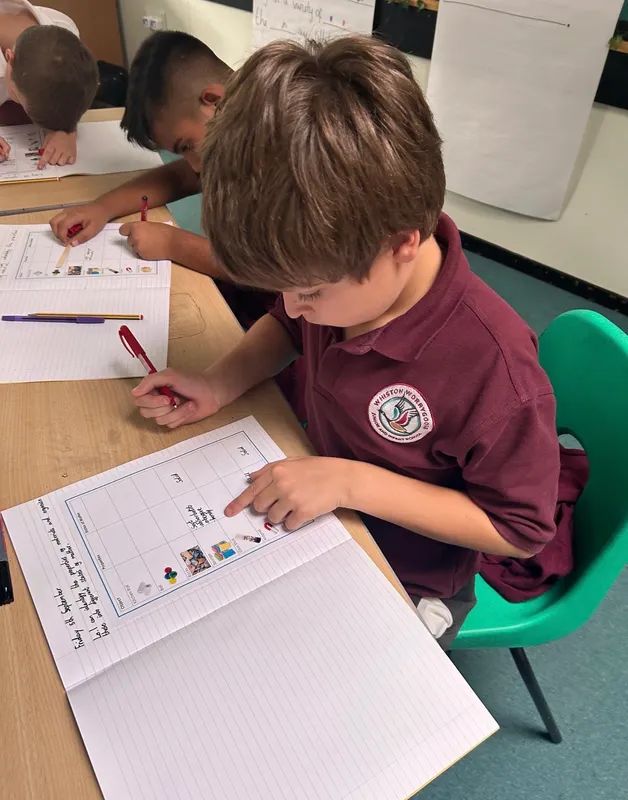
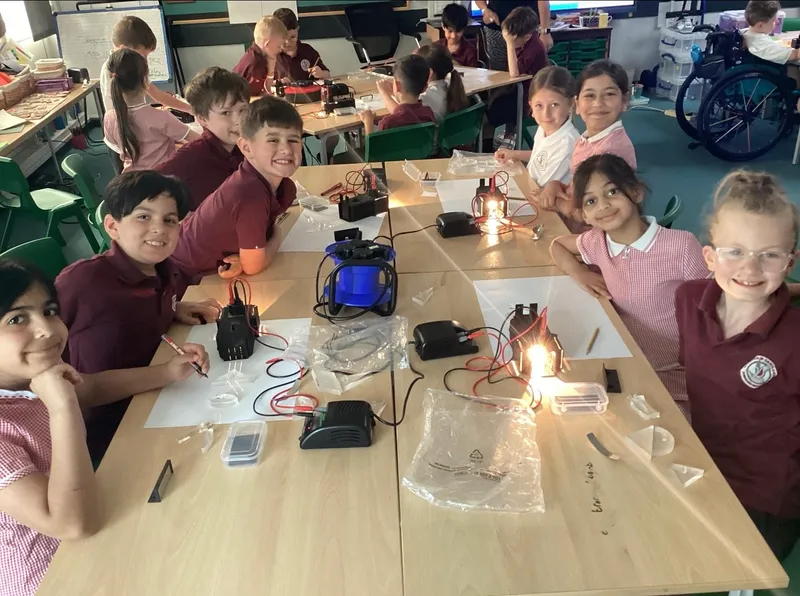
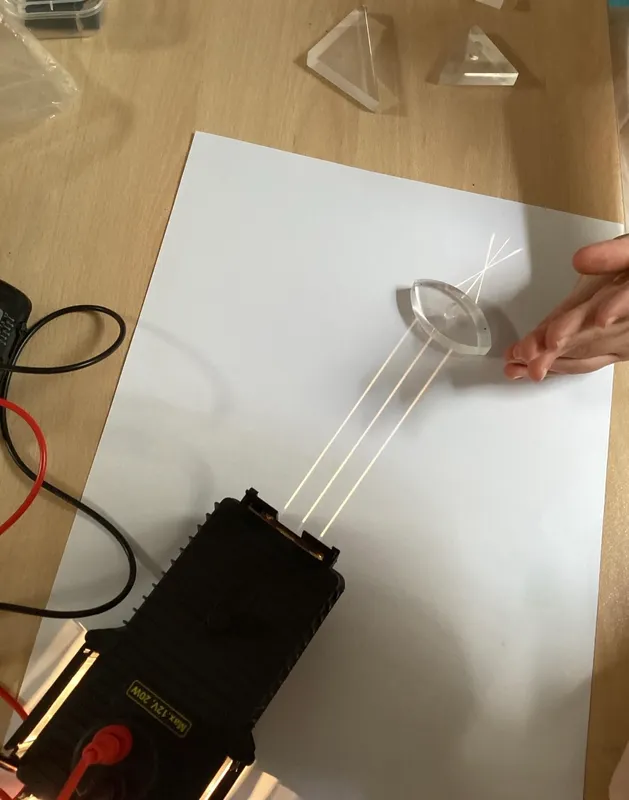
Science is taught through carefully sequenced units across the school year, allowing children to achieve depth in their understanding. Each unit begins with an opportunity to recall prior learning, helping children embed and connect knowledge over time. Learning is active, with practical experiments and real-world applications central to every lesson. Our fantastic school grounds, local environments, and resources are used to support hands-on scientific investigation whenever possible.
All Curriculum Unit Plans are thoughtfully designed to provide high-quality lessons that inspire curiosity, develop scientific thinking, and create memorable learning experiences.
IMPACT
By the end of their primary education at Whiston Worrygoose, learners will have gained a rich body of scientific knowledge and transferable skills, applicable across subjects and contexts. They will be confident in asking questions, designing investigations, interpreting results, and drawing evidence-based conclusions.
Our learners will leave school as curious, reflective, and informed citizens, capable of discussing scientific issues such as climate change, sustainability, and health. Success is measured by children’s enthusiasm for inquiry, resilience in solving problems, and their ability to make thoughtful decisions informed by scientific understanding.


